OUA
U SPORTS
McMaster
Wrestling
Taking down uncertainty: Tehani Blais
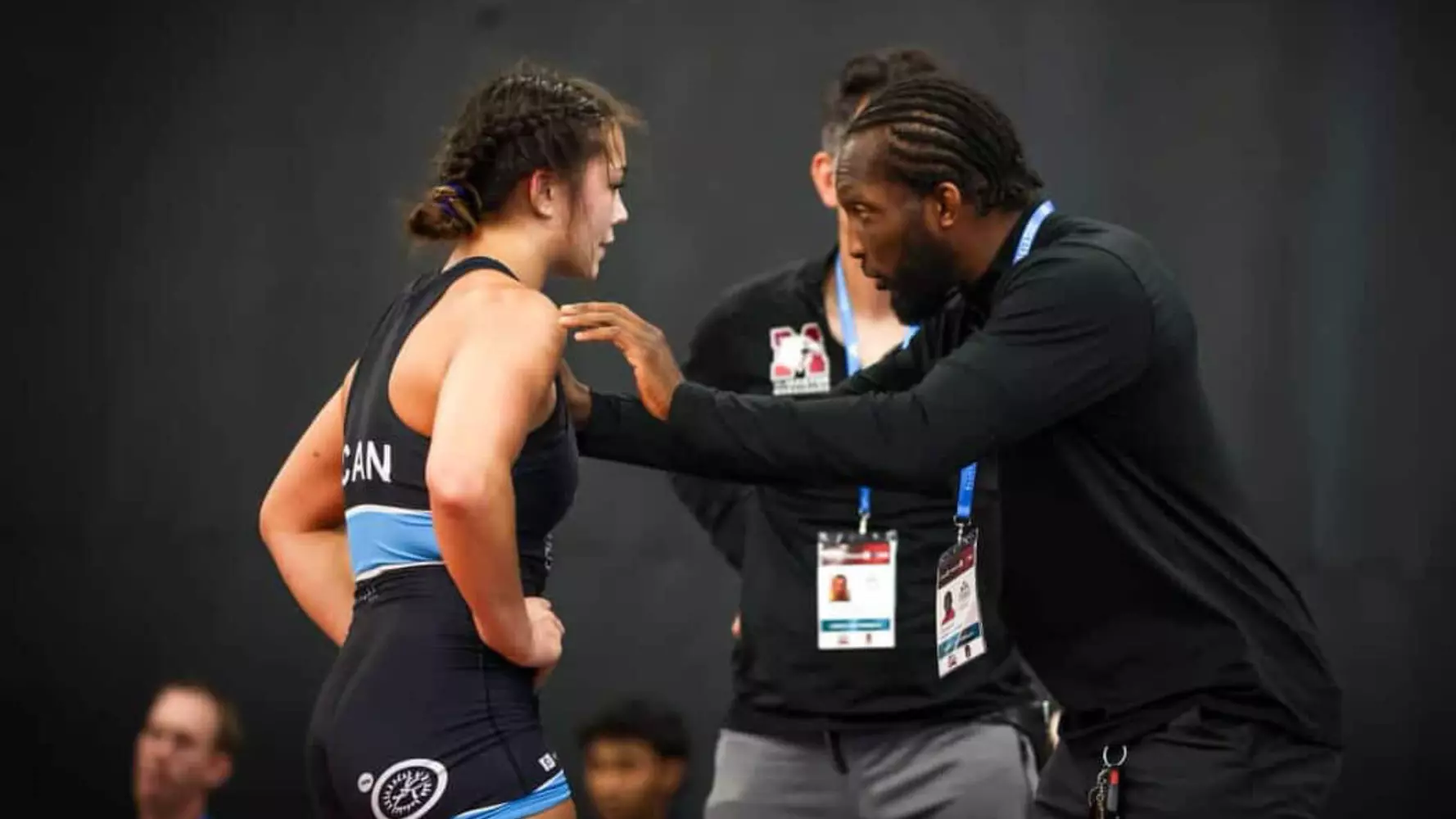
After finding her footing on basement mats during the pandemic, Tehani Blais has emerged as a resilient force for McMaster wrestling by turning a late start into national podium potential.
At 7 a.m., long before most teenagers were awake, Tehani Blais was already on the mats. Not in a state-of-the-art training centre or a packed wrestling room, but in her family's basement in Manitoba, grappling with her dad and brother while the rest of the world stood still during the COVID-19 pandemic. Those early-morning sessions, built on grit, curiosity, and a willingness to try something completely new, would quietly shape one of the top competitors in U SPORTS women's wrestling.
Unlike many of her teammates, Blais did not grow up wrestling. She did not start at eight years old or spend her childhood chasing tournaments across the province. Instead, she arrived late to the sport, discovering wrestling in Grade 10, when the pandemic shut down nearly everything else. Before that, she was a true multi-sport athlete, heavily involved in water polo and volleyball, while also experimenting with boxing and Brazilian jiu-jitsu. Wrestling was never pushed on her, despite growing up in a household immersed in combat sports.
Her father, Dominick Blais, is a former professional MMA fighter with a winning record and a black belt in Brazilian jiu-jitsu. Martial arts were always present, but intentionally optional. When Blais eventually gravitated toward jiu-jitsu, it was entirely her choice. Wrestling followed almost accidentally, as a way to improve her stand-up game for jiu-jitsu. What she discovered instead was something that felt instinctive.
"I just became really good at it," she said. "It felt natural."
Opportunities in Manitoba were limited at the time, especially for someone new to the sport. So Blais trained wherever she could, often with her dad, sometimes at small clubs, and eventually almost entirely at home. When COVID restrictions tightened in Canada, she took an unconventional step that would alter her trajectory. A family friend with a large wrestling family offered to take her in and train her in the United States, where regulations were looser and training never stopped.
It was a leap of faith. She had never met him before. She did not want to go at first. But after long conversations with her dad about the opportunity, she packed up and left.
It turned out to be the best decision she could have made.
For three months, Blais lived and breathed wrestling. She trained two to three times a day, waking up, wrestling, eating, and repeating the cycle, all while completing her schooling online. The pace was relentless. The learning curve was steep. But the immersion accelerated her development faster than anything she had experienced before. Wrestling stopped being an experiment and became a pursuit.
What keeps her invested now is not simply winning. It is the difficulty of the sport itself.
"It's hard," Blais said. "It's really challenging. And when you make it through a hard practice or fight back in a close match, it feels so fulfilling."
Wrestling's individual nature resonates deeply with her. There is no one else to lean on once the match begins. Every result reflects the effort she put in beforehand. That responsibility, paired with constant challenge, is what keeps her motivated.
Her family remains at the centre of that journey. Her younger brother Jordan began wrestling shortly after she did, with Blais initially serving as his first coach. Today, he competes constantly, travels for tournaments and camps, and continues to grow rapidly in the sport. Their dad now runs a thriving youth martial arts and wrestling program, built from the ground up to support athletes like his own children.
Despite the competitiveness, the Blais household is defined by support. When Tehani feels overwhelmed or discouraged, she calls home. Her family is her foundation, even from hundreds of kilometres away.
That distance has been one of the biggest adjustments since leaving Manitoba. While the province itself feels familiar in pace and personality, being away from her family has been the most difficult part of university life. At McMaster, she feels locked in, focused, and driven. Home is where she relaxes. She sees her mom and grandmother only a couple of times a year, making every visit meaningful.
Blais's rise at McMaster came quickly and unexpectedly. After just one year of wrestling, she caught the attention of McMaster, who saw her coachability and long-term potential. A recruitment camp followed, then more tournaments, and eventually a scholarship offer. McMaster checked every box for her: strong academics, a growing wrestling program, and a coaching staff she trusted. She did not apply anywhere else.
Her early competitive experiences were eye-opening. In the 2022–23 season, barely two-and-a-half years into the sport, Blais stepped onto the national stage at OUA and U SPORTS championships. The level of competition was unlike anything she had faced before. Every match was exhausting. Every opponent pushed her to her limits. There was no room to relax.
The experience reshaped her understanding of the sport and her own potential. While she left U SPORTS just shy of the podium, the tournament exposed areas for growth and confirmed that she belonged.
"I was proud of myself," she said. "I learned a lot."
That momentum came to an abrupt halt the following year. While training with Wrestling Canada at a camp in France, Blais suffered a serious SC joint injury after an awkward fall during a match day. The diagnosis meant six to eight months away from competition, the longest setback of her athletic career.
For someone accustomed to pushing through pain, the news was difficult. But rather than stepping away, she rebuilt.
Blais committed herself to getting as strong as possible, lifting weights six days a week, improving her cardio, and staying fully engaged with the team. She attended practices to watch, studied film extensively, and developed a clearer wrestling system. Her roommates, all teammates, helped keep her accountable. She never disconnected from the environment.
Six months later, she tested herself at U23 Nationals. With only two weeks back on the mat, she wrestled some of the most disciplined and intelligent matches of her career. The injury forced her to slow down physically, but it sharpened her understanding of the sport.
Now fully healthy, Blais has returned to the 68 kg weight class with confidence. She has already posted multiple first-place finishes this season and feels comfortable managing both her body and her workload. Her mindset is steady, built on trust in her preparation and love for the sport.
"If something happened again," she said, "I'd be okay with it. I love wrestling."
From basement practices in Manitoba to national-level competition, Tehani Blais has built her career on adaptability, discipline, and a willingness to embrace discomfort. Wrestling found her when the world shut down. She responded by opening every possible door, and then walking through each one with purpose.
More wrestling stories
Algoma Thunderbirds
Thunderbird wrestlers medal at the Brock OpenAlgoma University wrestlers proved their provincial mettle Saturday as five Thunderbirds reached the podium in St. Catharines. The strong showing signals a peak in form just weeks before the OUA championships.
Read Story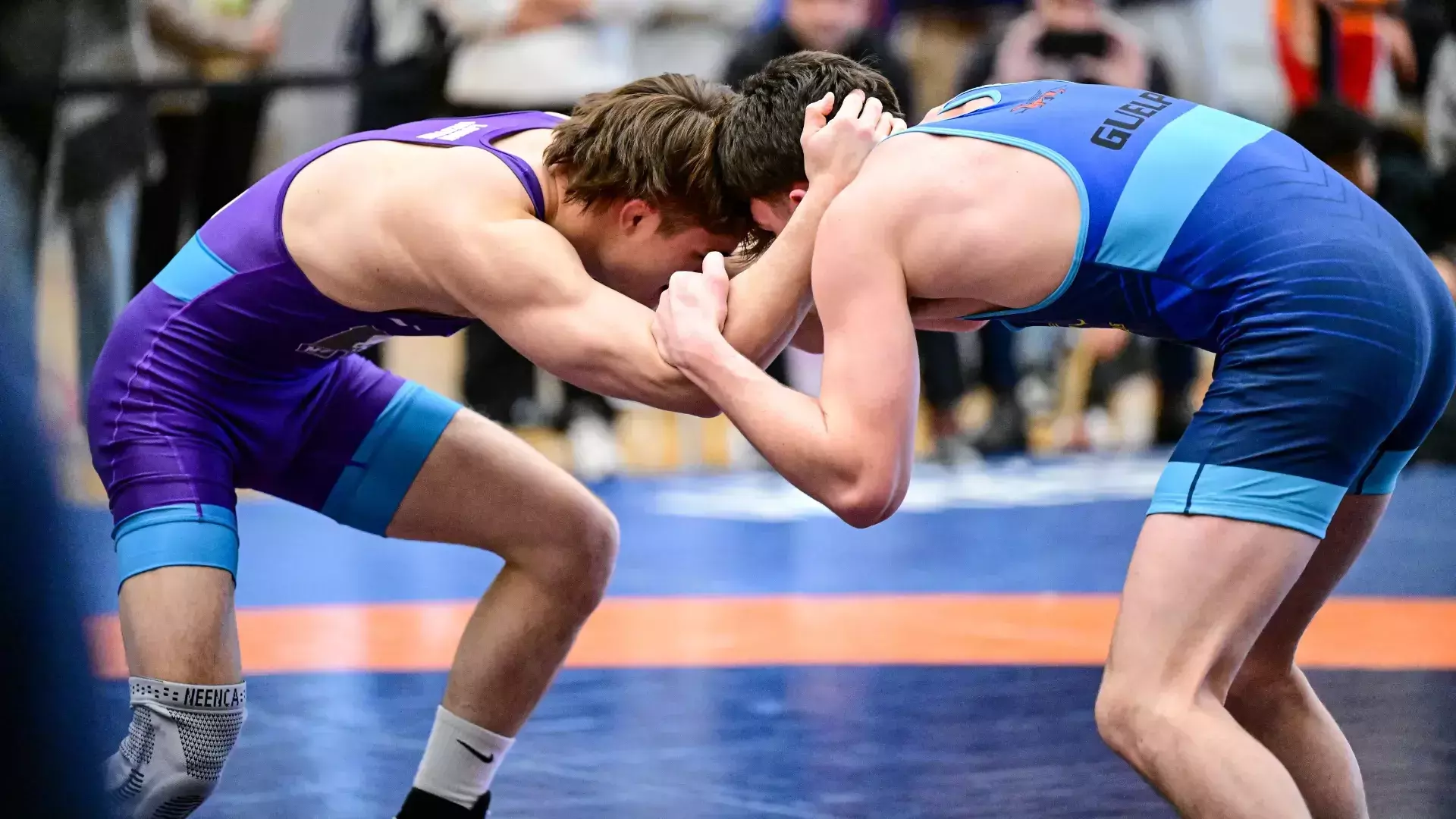
Western Mustangs
Western wrestling finishes 3rd at Brock OpenLukas Geske and Charlie Ortencio remained untouchable on the mats Saturday as the Mustangs relied on technical superiority to secure a top-three finish during a dominant return to competition in St. Catharines.
Read Story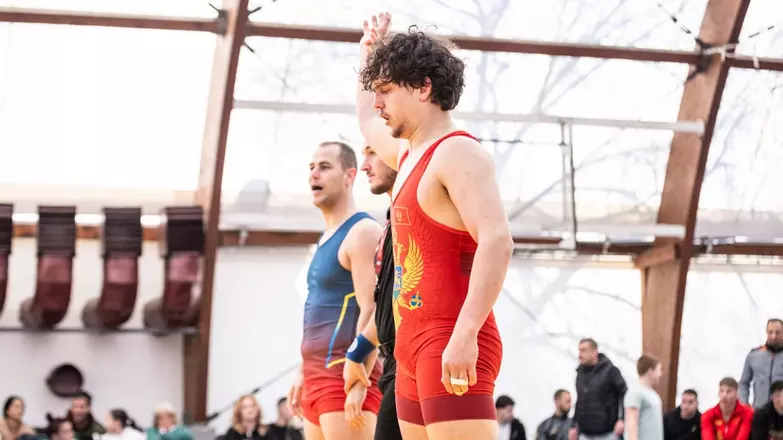
Toronto Varsity Blues
Rasovic wins at national championship of MontenegroVarsity Blues wrestler and theoretical physics doctoral student Andrija Rasovic made history in Podgorica by capturing gold during Montenegro's inaugural national freestyle wrestling championship in late December.
Read Story